
Votre panier est vide.

Understanding the Complexities of Saudi Arabia’s Sanction Status
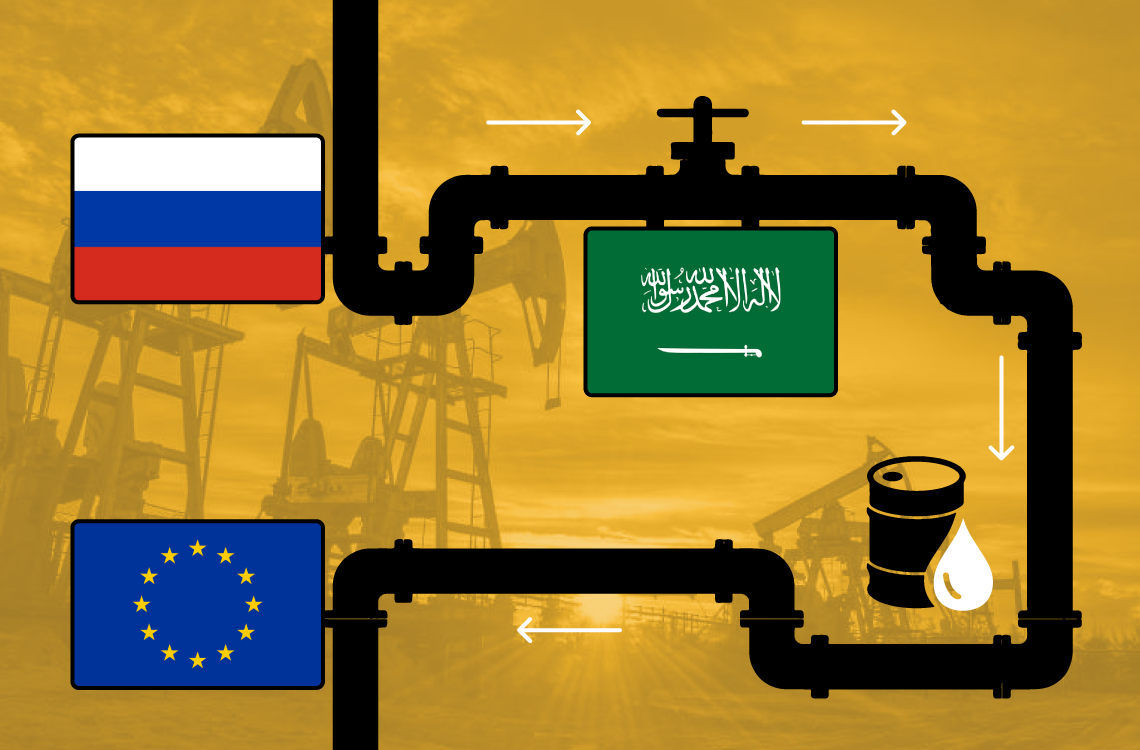
Is Saudi Arabia a Sanctioned Country? An In-Depth Analysis
When discussing international relations, one of the most significant aspects is the topic of sanctions. The Kingdom of Saudi Arabia, a major player in global politics and economics, often finds itself at the center of such discussions. Sanctions can impact nations in various ways, affecting everything from trade to diplomatic relationships. For a detailed exploration, you can read more at is Saudi Arabia a sanctioned country https://www.freetastesgood.com/wp-content/pgs/is-saudi-arabia-a-sanctioned-country.html.
Historical Context of Sanctions Against Saudi Arabia
Saudi Arabia has faced scrutiny for its domestic policies and international actions. The most notable sanctions against the Kingdom have been related to human rights violations, terrorism financing, and its involvement in regional conflicts. Understanding the historical context helps to clarify why certain sanctions are imposed and how they affect the country.
Current Sanction Status
As of now, Saudi Arabia is not classified as a fully sanctioned country by the major global governing bodies such as the United Nations or the European Union. However, certain individuals and entities within Saudi Arabia face targeted sanctions primarily due to their involvement in specific incidents or allegations of misconduct. This selective approach is often more about managing political relationships than reflecting the overall status of the country.
The Impact of Sanctions on Saudi Economy
Sanctions can have a profound impact on a country’s economy, and Saudi Arabia is no exception. Despite not facing comprehensive international sanctions, various external pressures and targeted actions can influence the Kingdom’s economic stability. Key sectors, particularly oil and gas, are often affected by international scrutiny, which can lead to fluctuations in market stability and investment.
Regional Implications of Sanctions
Saudi Arabia’s strategic position in the Middle East makes its sanction status particularly consequential for regional politics. Sanctions on neighboring countries, such as Iran and Syria, directly affect Saudi’s own security and economic strategies. The Kingdom often positions itself as a counterbalance to Iranian influence in the region, and any sanctions against its rivals can have indirect implications for Saudi Arabia’s own regional standing.
International Relations and Diplomatic Engagements
Saudi Arabia maintains complex diplomatic relationships with various nations. While some countries impose targeted sanctions on certain individuals within the Kingdom, others continue to engage in economic partnerships and military alliances. The Kingdom’s deep ties with the United States and other western countries often complicate the narrative of sanctions, as these relationships can sometimes override concerns about human rights and regional conflicts.

Future Outlook on Sanctions and Saudi Arabia
The future of sanctions concerning Saudi Arabia remains uncertain. As global dynamics continue to shift, particularly in light of increasing concerns over human rights and geopolitical stability, the likelihood of more extensive sanctions cannot be dismissed. However, the balancing act of international relations often leaves Saudi Arabia somewhat insulated from sweeping punitive measures.
Conclusion
In conclusion, Saudi Arabia occupies a unique and complex position concerning international sanctions. While the country is not broadly sanctioned, the targeted nature of existing restrictions reflects a nuanced approach to global diplomacy. Understanding these dynamics is essential for anyone interested in international relations and the geopolitical landscape of the Middle East.