Votre panier est vide.

Understanding OFAC Sanctions on Cuba Implications and Compliance 1454092926
Understanding OFAC Sanctions on Cuba: Implications and Compliance
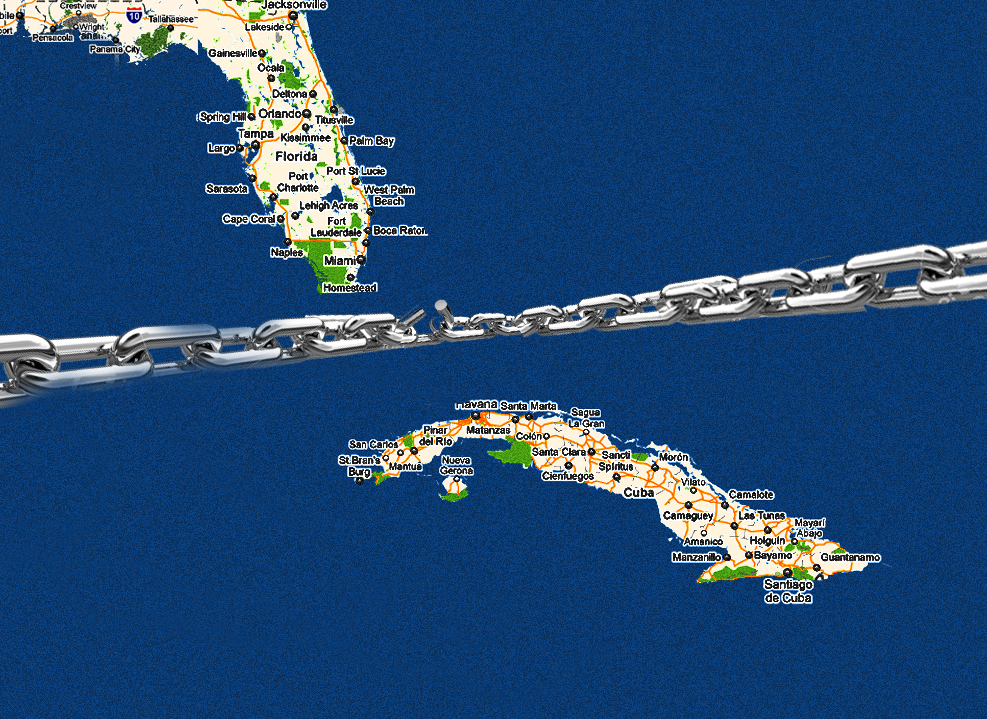
The Office of Foreign Assets Control (OFAC) has implemented a series of sanctions against Cuba that have shaped U.S.-Cuban relations for decades. These sanctions are part of a broader U.S. foreign policy toolkit aimed at promoting democratic governance and human rights in Cuba while discouraging the activities of its government that the U.S. deems as repressive. The sanctions can be complex, and understanding them is crucial for individuals and businesses wishing to engage with Cuba. For more detailed information, you can visit OFAC sanctions Cuba https://foodtrucklady.com/pages/?ofac-sanctions-on-cuba-rules.html.
Historical Context of OFAC Sanctions on Cuba
The roots of OFAC sanctions on Cuba can be traced back to the Cuban Revolution in 1959, when Fidel Castro overthrew the Batista regime. Following the expropriation of U.S. businesses and properties in Cuba, the U.S. imposed an embargo in 1960, which has undergone several modifications over the decades. The sanctions were intensified after the Cuban missile crisis in 1962 and have been maintained in various forms since then.
Current Sanction Regime
As of October 2023, the sanctions against Cuba remain in place, largely prohibiting U.S. businesses and individuals from entering agreements with Cuban entities. The most significant regulations include restrictions on financial transactions, prohibitions on the export of goods and services, and limitations on travel to the island. However, some exceptions exist, particularly for educational and humanitarian activities.
Main Regulations
- Travel Restrictions: U.S. citizens must follow specific categories for permissible travel to Cuba, such as family visits, educational activities, and humanitarian projects.
- Trade Limitations: Direct trade with Cuba is generally prohibited; however, certain exceptions may apply, particularly for agricultural and medical supplies.
- Financial Transactions: Financial services are heavily restricted, and U.S. financial institutions cannot process transactions related to Cuban entities without obtaining explicit licenses.
Implications for U.S. Individuals and Businesses
For businesses, navigating OFAC sanctions can present significant challenges. Companies must ensure comprehensive compliance measures are in place to avoid engaging in prohibited activities. Engaging with Cuba can be particularly appealing for those in the tourism, agriculture, and biotechnology sectors. However, the complexity of the sanctions requires thorough risk assessments and meticulous due diligence.
Compliance Challenges
Failure to comply with OFAC regulations can result in heavy fines and penalties. The enforcement of sanctions has seen an increase in recent years, with OFAC actively pursuing violations. Businesses are encouraged to develop compliance programs that address potential risks associated with transactions involving Cuba.

Potential Changes
Periodically, the political climate in the U.S. leads to discussions on modifying or lifting sanctions. Changes in administration can lead to shifts in policy, as seen in previous years with the Obama administration’s attempts to normalize relations with Cuba. However, it is essential to recognize that substantial legislative changes typically require consensus among lawmakers.
Humanitarian Considerations
Despite the sanctions, there is a growing focus on ensuring that humanitarian efforts continue in Cuba. Certain exemptions allow for the provision of medical supplies and food, and many organizations work diligently to support the Cuban people within the framework of existing laws. Advocacy for measures that favor humanitarian aid is a critical aspect of the discourse surrounding U.S. sanctions.
Navigating the Sanctions Landscape
For individuals and organizations considering engagement with Cuba, it is vital to stay informed about the latest developments in OFAC regulations. Utilizing legal advice from experts in international trade and sanctions law can help in navigating the complexities of compliance. It is also essential to frequently review guidelines published by OFAC concerning Cuba, as these can affect operational strategies.
Conclusion
In summary, OFAC sanctions on Cuba represent a challenging landscape characterized by a rich historical context and potential implications for U.S. individuals and businesses. Understanding the regulations, compliance obligations, and humanitarian efforts is essential for those looking to engage with Cuba. Moving forward, the evolving nature of U.S.-Cuban relations will undoubtedly influence the future of interventions and opportunities within this complex framework.