Votre panier est vide.

Identifying Red Flags for OFAC Violations A Comprehensive Guide 1483674457

Identifying Red Flags for OFAC Violations: A Comprehensive Guide
Understanding the potential risks associated with Office of Foreign Assets Control (OFAC) violations is critical for businesses engaging in international trade. Several red flags for OFAC violations https://xticketz.com/media/pgs/common-ofac-violation-risks.html can indicate a higher risk of non-compliance, and recognizing these signs can help organizations avoid severe penalties and reputational damage.
1. Lack of Transparency in Transactions
A common red flag for OFAC violations includes transactions that lack transparency. Businesses should be wary of parties that provide incomplete information or are reluctant to share details about the nature of their operations or the sources of their funds. Transparency is crucial in identifying whether a transaction involves sanctioned individuals or countries.
2. Unusual Payment Methods
Organizations should be cautious when suppliers or clients insist on unusual payment methods. Payments made through complex routing, cash transactions, or services involving cryptocurrency can indicate an attempt to bypass traditional banking systems, heightening the likelihood of OFAC violations.
3. Transactions with High-Risk Countries
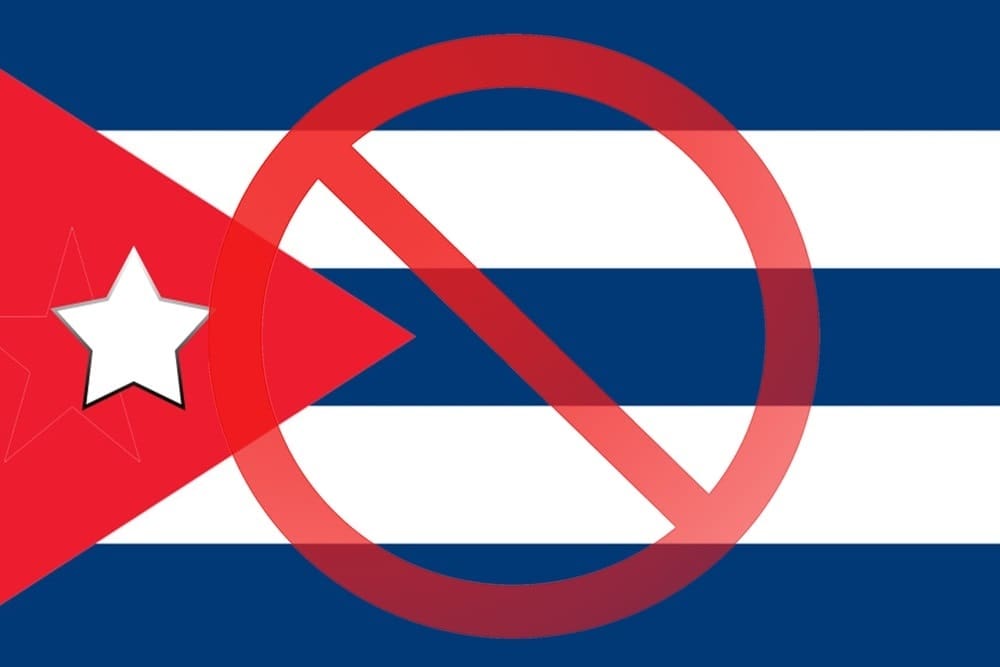
Conducting business with countries that are subject to US sanctions presents inherent risks. Transactions with nations known for terrorism, drug trafficking, or other illicit activities can constitute red flags for potential OFAC violations. It’s essential that businesses conduct thorough research and due diligence when engaging with such regions.
4. Inconsistent Documentation
Consistently keep an eye out for inconsistencies in documentation such as invoices, contracts, and shipping papers. Disparities between the declared value of goods, names on documents, or discrepancies in the trade descriptions can hint at attempts to mislead regulators or conceal the true nature of a transaction.
5. Use of Shell Companies
Shell companies or entities that exist primarily on paper without significant operations can also be red flags. If a business partner is difficult to trace or appears to have no real operational activity, it may indicate an attempt to obscure ownership or control of funds associated with prohibited individuals or entities under OFAC regulations.
6. Rapid Changes in Business Relationships
A significant and abrupt change in business relationships with partners, vendors, or customers may warrant investigation. If an organization suddenly begins working with previously unknown parties or divests from established relationships, evaluative measures should be taken to ensure compliance with OFAC regulations.
7. High Volumes of Transactions
Be cautious of partners or clients who engage in unusually high volumes of transactions or conduct high-risk activities without clear business justification. Abnormal spikes in transaction volume or frequency may indicate illicit activities that could trigger violations of sanctions.
8. Lack of Due Diligence
If an organization fails to implement a robust due diligence framework, it raises the risk of OFAC violations. Failure to conduct background checks on clients and partners, as well as not verifying lists of sanctioned individuals or entities, can expose the business to significant legal and financial repercussions.
9. Involvement of Sanctioned Individuals
Transactions that directly or indirectly involve individuals or entities on the Office of Foreign Assets Control (OFAC) Specially Designated Nationals (SDN) list are significant red flags. This includes individuals whose names are similar to sanctioned entities that may evade detection.

10. Irregularities in Trade Routes
Odd shipping routes or destinations that diverge from established trade patterns can suggest efforts to violate OFAC regulations. Be vigilant if shipments are redirected to or from sanctioned countries or if trade routes appear circuitous without reasonable explanation.
Conclusion
Awareness of red flags for OFAC violations is essential for businesses seeking to maintain compliance with regulations governing international trade and finance. By implementing robust monitoring systems, enhancing due diligence practices, and fostering a culture of compliance, organizations can effectively mitigate risks and protect themselves from potential sanctions and violations.
In summary, identifying these red flags is a crucial step in ensuring adherence to OFAC guidelines and facilitating responsible business practices in an increasingly globalized economy.