
Votre panier est vide.

Understanding the psychology of gambling Why we take risks and what drives us
Understanding the psychology of gambling Why we take risks and what drives us
The Allure of Risk and Reward
The psychology of gambling often hinges on the tension between risk and reward. Many players are drawn to the thrill of potentially winning big, which creates an adrenaline rush that can be quite addictive. This anticipation engages the brain’s reward system, releasing dopamine, a neurotransmitter associated with pleasure. This chemical response not only enhances the excitement of the gamble but also reinforces the desire to engage in future risky behaviors. Platforms like Shotz offer various games that capitalize on this allure, drawing players into a world filled with excitement.
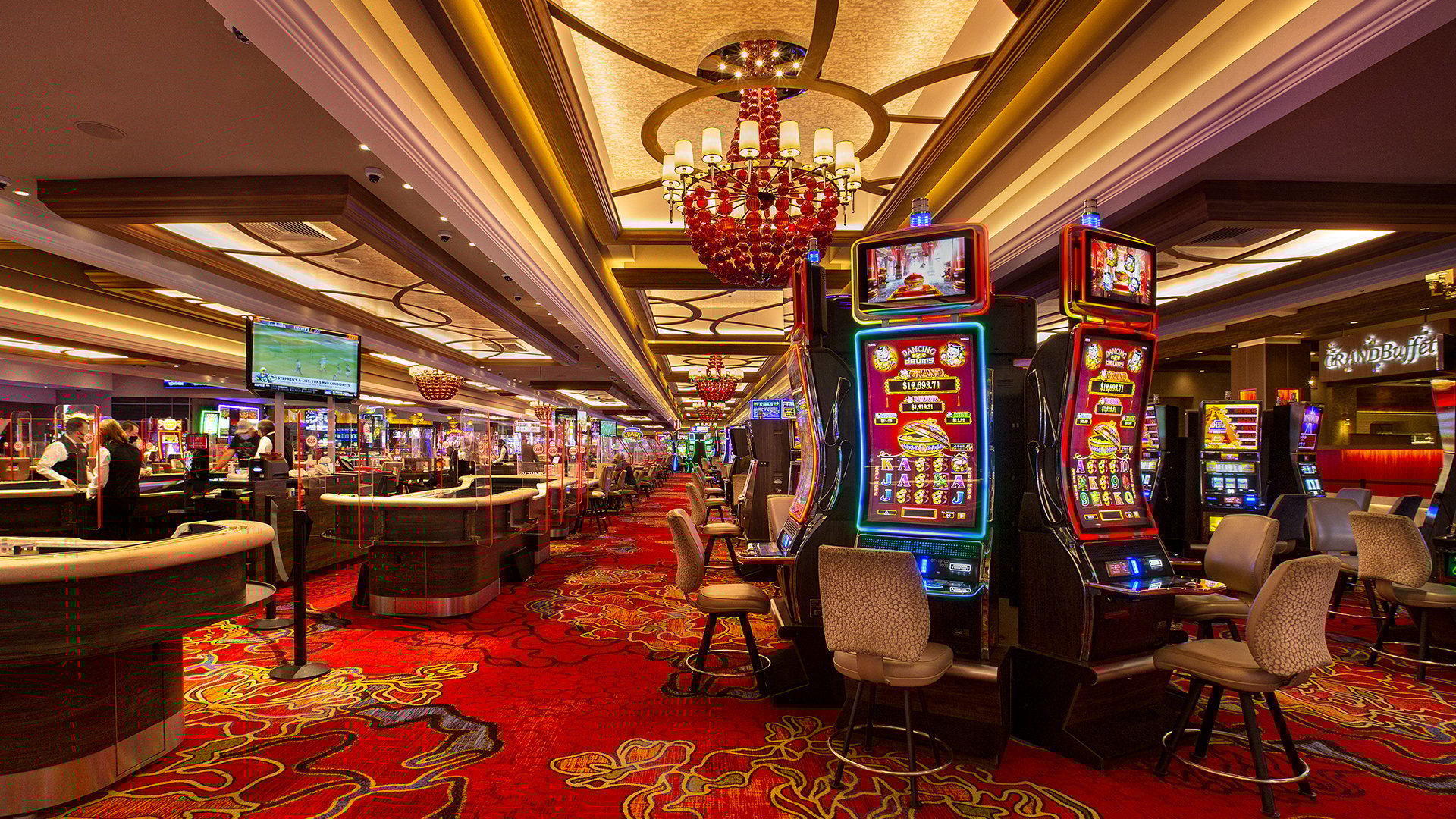
Moreover, the concept of near misses plays a critical role in reinforcing gambling behavior. When players come close to winning, they often interpret these experiences as signs of potential success rather than failure. This cognitive bias can create a cycle where the individual continues to gamble, believing that they are on the verge of a significant victory. Over time, this illusion can lead to increased spending and heightened risk-taking.
Understanding the psychological mechanisms at play is crucial for both players and operators in the gambling industry. By recognizing how risk and reward can skew perception, stakeholders can create more responsible gaming environments. This awareness can lead to more effective tools and strategies aimed at helping players manage their impulses and understand the potential consequences of their actions.
The Role of Cognitive Biases
Cognitive biases are systematic patterns of deviation from norm or rationality in judgment, and they significantly influence gambling behavior. One prominent bias is the illusion of control, where individuals believe they can influence the outcome of games that are purely chance-based, such as slot machines or roulette. This false sense of agency can lead players to make irrational decisions, believing their skills can sway outcomes that are fundamentally random.
Additionally, the availability heuristic plays a role in gambling decisions. Players may overestimate the likelihood of winning because of recent wins that are vividly remembered. This mental shortcut can distort their perception of odds, encouraging more frequent gambling. When people recall a friend winning a jackpot or coming close to a significant payout, they might assume these instances are more common than they are, further fueling their gambling behaviors.
It’s essential to acknowledge these biases in the context of gambling psychology. By understanding how our brains can trick us into believing we have more control or that wins are more likely, players can adopt a more rational perspective. This awareness can lead to healthier gambling habits, reducing the chances of addiction and financial loss.
The Impact of Emotion on Gambling Choices
Emotion plays a pivotal role in gambling, often overshadowing logic and rational decision-making. Many individuals gamble to escape from negative emotions, such as stress, anxiety, or depression. The excitement of gambling can provide a temporary distraction from everyday life, but it can also lead to a cycle of emotional distress when losses are incurred. Players may then gamble more in an attempt to recover their losses, creating a dangerous emotional spiral.
Conversely, positive emotions can also drive gambling behavior. Celebrating a win or feeling lucky can lead to impulsive decisions, as the player may be more inclined to risk larger amounts, thinking the good fortune will continue. This emotional high can cloud judgment and increase the likelihood of engaging in riskier bets, amplifying the psychological stakes involved.
Understanding the emotional drivers of gambling can empower players to make more informed decisions. By recognizing when they are gambling as a means of coping or seeking pleasure, individuals can better assess their motivations and establish healthier boundaries. Acknowledging these emotional triggers is crucial for maintaining a balanced approach to gambling activities.
The Social Aspects of Gambling
Gambling is not just an individual activity; it has significant social dimensions that influence why people engage in it. Social proof is a powerful motivator in gambling settings, where individuals may feel compelled to join in when they see others participating. This herd mentality can amplify the desire to take risks, as the excitement of group dynamics encourages individuals to gamble in ways they might not consider if alone.
Furthermore, the social environment of casinos or online gaming platforms fosters a sense of community. Players often enjoy sharing experiences, celebrating wins, and lamenting losses together, creating bonds that enhance the gambling experience. These social interactions can provide emotional support and even enhance the enjoyment of the game, which can lead to more frequent gambling.
Recognizing the social aspects of gambling highlights the importance of community and peer influence in shaping gambling behaviors. Understanding these dynamics can inform responsible gambling initiatives that promote healthy social interactions while discouraging negative behaviors. Operators can also leverage these social aspects to create a more engaging and supportive gaming environment.
Shotz Casino: A Responsible Gaming Environment
Shotz Casino recognizes the importance of understanding the psychology of gambling and its implications for players. As a premier online gaming platform, it emphasizes responsible gaming practices to ensure a safe and enjoyable experience for all users. By providing resources and tools designed to promote healthy gambling habits, Shotz Casino aims to mitigate the risks associated with gambling.
The casino’s user-friendly interface and vast selection of games are tailored to engage players while prioritizing their well-being. With fast withdrawals and a focus on customer satisfaction, Shotz Casino strives to create an environment where players can enjoy gaming responsibly. New users are welcomed with attractive bonuses, allowing them to explore the vast gaming options available without feeling pressured to spend recklessly.
In summary, Shotz Casino is committed to fostering a gaming experience that balances excitement with responsibility. By understanding the psychological factors that drive gambling behavior, both players and the casino can work towards a more enjoyable and secure gaming environment. This dual focus on engagement and responsibility is essential in promoting a sustainable gambling culture for all enthusiasts.