
Votre panier est vide.

Understanding the psychological triggers that influence gambling behavior
Understanding the psychological triggers that influence gambling behavior
The Role of Excitement and Anticipation
Gambling often thrives on the adrenaline rush that comes with uncertainty and chance. The excitement of placing a bet can trigger a flood of dopamine in the brain, making individuals feel euphoric, especially when they win. This thrill fosters a desire to experience the same feelings repeatedly, which can lead to more frequent gambling. Understanding this psychological aspect is crucial as it highlights why many are drawn to gambling despite the risks involved, including the delineated top 10 online casino australia that provide thrilling experiences.
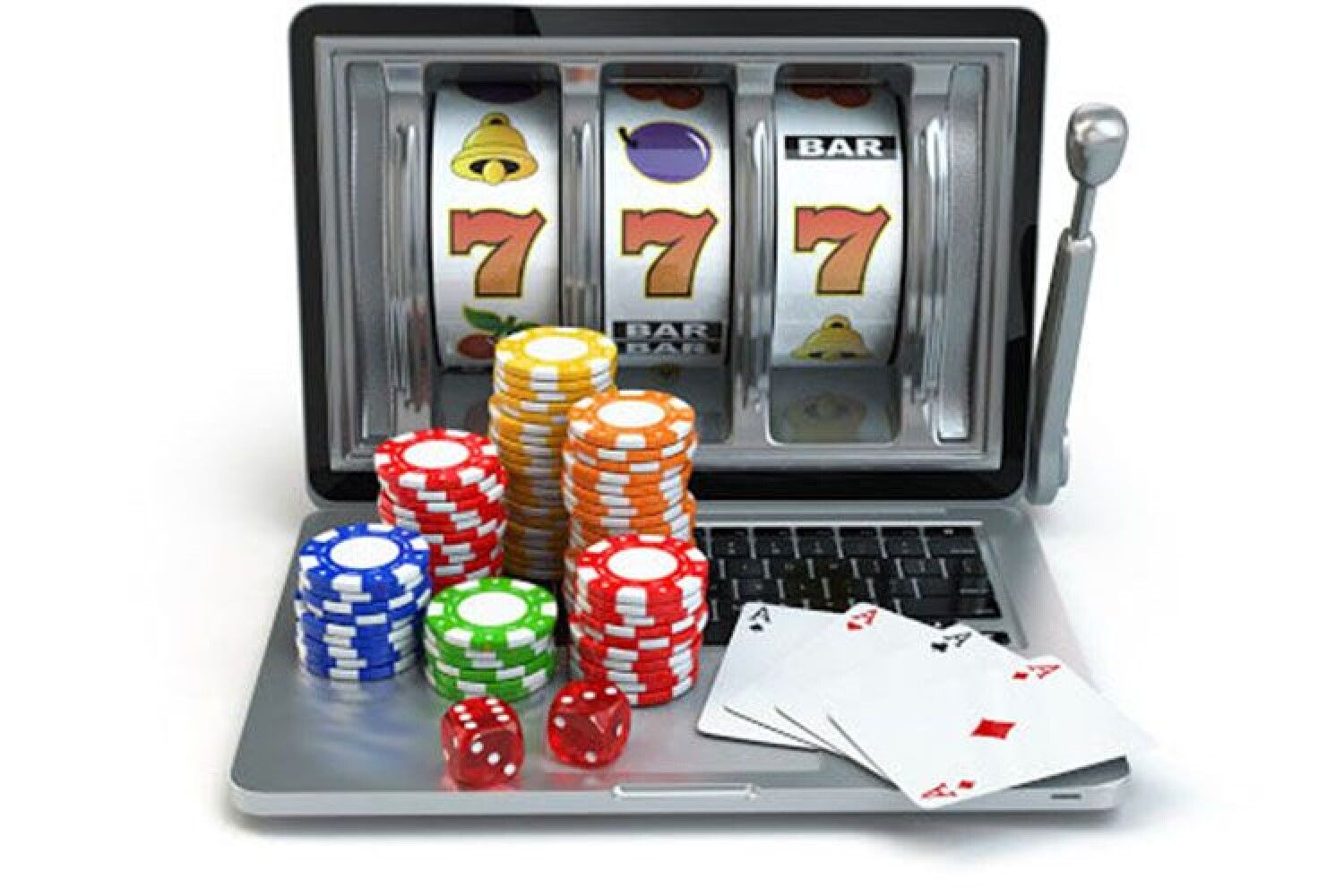
Additionally, anticipation plays a significant role in gambling behavior. The waiting period between placing a bet and the outcome can amplify feelings of excitement, often making the experience more enjoyable than the actual result. This anticipation can create a cycle where players continually seek out gambling opportunities to relive those heightened feelings of excitement.
The Illusion of Control and Skill
One psychological trigger that influences gambling behavior is the illusion of control. Many gamblers believe they can influence the outcome of games, particularly in skill-based gambling like poker or blackjack. This belief can lead individuals to engage more frequently in gambling activities, as they feel a sense of agency over the results. However, this misconception often blinds them to the inherent randomness of most gambling scenarios.
This illusion is further reinforced by personal experiences, where players may remember their wins while overlooking their losses. Cognitive biases, such as selective memory, can contribute to this phenomenon, making players overestimate their skill levels and leading them to gamble more frequently than they should.
The Impact of Social Influences
Social factors significantly affect gambling behavior. Many individuals are influenced by their friends or family, whether directly or indirectly. The normalization of gambling within social circles can create pressure to participate, making it seem like a common or acceptable activity. This social acceptance can lead to increased participation, as individuals may not fully recognize the potential risks associated with gambling.
Furthermore, the presence of social networks can enhance the experience of gambling. Many people enjoy the communal aspect of gambling, such as attending casinos with friends. This social dimension can amplify the psychological rewards of gambling, as shared experiences often reinforce engagement and lead to repeated participation.
The Influence of Marketing and Promotions
Marketing strategies employed by casinos and online gambling platforms play a crucial role in shaping gambling behavior. Promotions, bonuses, and advertisements often capitalize on psychological triggers, enticing potential gamblers with the lure of easy winnings and bonuses. These marketing tactics can create a sense of urgency, compelling individuals to act quickly, sometimes without fully considering the risks.
The design of gambling environments is also significant. Casinos often use bright lights, sounds, and engaging visuals that create an immersive experience, drawing players into a state of heightened excitement and distraction. This environment can significantly alter decision-making processes, leading individuals to gamble more than they initially intended.

Discovering Responsible Gambling Options
Understanding the psychological triggers behind gambling behavior is essential for promoting responsible gambling practices. Knowledge about these influences can help individuals recognize when their gambling is becoming problematic. Websites dedicated to gambling often provide resources that emphasize responsible gaming and the importance of setting limits.
Moreover, these platforms can guide players towards safe gambling environments where transparency and player protection are prioritized. By fostering awareness of psychological triggers, online gambling sites contribute to a more informed and responsible gaming experience, ensuring that players can enjoy their activities without falling into harmful behaviors.