
Votre panier est vide.

Ultimate Forex Trading Tutorial Success Strategies for All Levels Leave a comment

Ultimate Forex Trading Tutorial: Success Strategies for All Levels
Forex trading, or foreign exchange trading, is the process of exchanging one currency for another in the foreign exchange market. It is the largest and most liquid financial market in the world, with a daily trading volume surpassing $6 trillion. As you dive into the world of forex trading, understanding the fundamental concepts, strategies, and market dynamics is essential for success. In this comprehensive tutorial, we will guide you through the essential aspects of forex trading, including the basics, technical and fundamental analysis, trading psychology, and advanced strategies. For valuable insights on brokers, check out forex trading tutorial Uzbekistan Brokers.
1. Understanding Forex Market Basics
The forex market operates 24 hours a day, five days a week, and functions through an electronic network of banks, brokers, institutions, and individual traders. Currencies are traded in pairs, with the value of one currency expressed in relation to another. For example, in the EUR/USD currency pair, the Euro is the base currency, and the US Dollar is the quote currency.
Each currency pair has its own unique characteristics and pairs can be categorized into three types: major, minor, and exotic pairs. Major pairs include combinations of the most traded currencies, such as USD, EUR, and JPY. Minor pairs include less frequently traded currencies, while exotic pairs involve a major currency paired with a currency from a developing economy.
2. Getting Started with Forex Trading
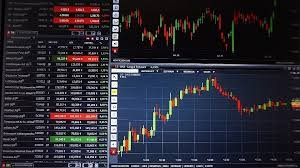
Before diving into trading, consider the following steps:
- Choose a Reliable Forex Broker: Research and select a broker that fits your trading style, offers low spreads, reliable customer support, and complies with regulatory requirements.
- Create a Trading Account: Open a trading account by providing the necessary documentation and funding the account.
- Use a Demo Account: Before risking real money, practice your trading strategies on a demo account. This helps you familiarize yourself with the trading platform and market dynamics.
3. Technical Analysis in Forex Trading
Technical analysis involves analyzing historical price data and utilizing various tools to predict future price movements. Here are some essential components of technical analysis:
- Chart Types: Familiarize yourself with different chart types such as line, bar, and candlestick charts. Candlestick charts are the most popular among traders due to their ability to provide detailed information about price movements.
- Support and Resistance Levels: Identify key price levels where the market has historically reversed. Support levels indicate where buying interest is strong, whereas resistance levels indicate where selling pressure prevails.
- Indicators and Tools: Utilize various technical indicators like moving averages, RSI (Relative Strength Index), MACD (Moving Average Convergence Divergence), and Bollinger Bands to enhance your trading decision-making process.
4. Fundamental Analysis in Forex Trading
Fundamental analysis focuses on the economic, political, and social factors that influence currency values. Key aspects include:
- Economic Indicators: Monitor economic reports such as GDP growth, employment statistics, inflation rates, and interest rates. These indicators heavily impact currency strength.
- Central Bank Policies: Understand the monetary policies set by central banks, as interest rate changes and quantitative easing measures can significantly influence currency values.
- Geopolitical Events: Stay informed about global political events, trade negotiations, and economic agreements, as they can lead to currency volatility.
5. Trading Psychology

Successful trading is not only about numbers but also about how you manage your emotions and psychology. Consider the following tips to cultivate a successful trading mindset:
- Discipline: Stick to your trading plan and avoid emotional decision-making.
- Patience: Wait for the right trading opportunities instead of forcing trades.
- Risk Management: Use strategies like stop-loss orders and position sizing to manage risk effectively.
6. Advanced Trading Strategies
Once you are comfortable with the basics, consider exploring advanced trading strategies such as:
- Day Trading: Involves opening and closing trades within the same day to capitalize on short-term market movements.
- Swing Trading: This strategy is based on capturing short- to medium-term gains by holding positions for several days to weeks.
- Scalping: A technique focusing on making small profits several times a day by executing many trades.
- Carry Trading: Involves borrowing from a currency with a low-interest rate and investing in a currency with a higher rate.
7. Conclusion
Forex trading can be a rewarding yet challenging endeavor. It requires continuous learning, practice, and the development of strong trading skills. By combining technical and fundamental analysis, maintaining emotional control, and employing sound risk management practices, you can improve your chances of becoming a successful forex trader.
As you embark on your forex trading journey, remember that patience and discipline are key to long-term success. Whether you are just starting or have some experience in trading, applying the knowledge from this tutorial will set you on the right path toward achieving your trading goals.