
Votre panier est vide.

The Ultimate Forex Trading Training Guide Leave a comment
The Ultimate Forex Trading Training Guide
Forex trading can be an exciting yet challenging pursuit for many individuals. The foreign exchange market is the largest and most liquid financial market in the world, offering traders ample opportunities to profit from currency fluctuations. However, success in forex trading requires discipline, knowledge, and a sound trading strategy. This guide provides comprehensive forex trading training tailored for beginners as well as more experienced traders. To enhance your trading journey, do not hesitate to explore forex trading training Brokers Argentina, which can connect you with reputable brokers tailored for your trading needs.
Understanding the Forex Market
The forex market operates 24 hours a day, five days a week, with trading sessions that span across major financial hubs such as London, New York, Tokyo, and Sydney. It involves the buying and selling of currency pairs, where one currency is traded against another. Currency values fluctuate based on economic indicators, geopolitical events, and market sentiment. Understanding these factors is crucial for traders looking to make informed decisions.
Getting Started with Forex Trading
1. **Choose a Reliable Broker**: Selecting a trustworthy forex broker is your first step. Research brokers based on their trading platform, spreads, commissions, and regulatory compliance. Consider using Brokers Argentina to find reliable options in your region.
2. **Open a Trading Account**: After choosing a broker, you will need to open a trading account. Most brokers offer demo accounts that allow you to practice trading without risking real money.
3. **Learn Basic Forex Terminology**: Familiarize yourself with key terms such as ‘pip,’ ‘lot,’ ‘leverage,’ and ‘margin.’ This foundational knowledge is essential for effective communication and decision-making in trading.
Developing a Trading Strategy
A successful forex trader relies on a well-defined trading strategy. Here are some types of strategies to consider:
- Scalping: A high-frequency trading strategy that seeks to profit from small price changes.
- Day Trading: Traders buy and sell financial instruments within the same trading day, eliminating overnight risk.
- Swing Trading: This strategy involves holding positions for several days or weeks to capture price moves.
- Position Trading: A long-term trading strategy where positions are held for months or even years based on fundamental analysis.
Technical vs. Fundamental Analysis
There are two main approaches to analyzing currency pairs: technical analysis and fundamental analysis.
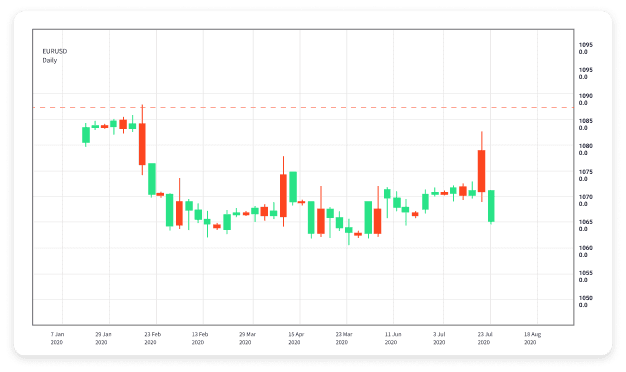
Technical Analysis involves analyzing price charts and using indicators to forecast future price movements. Key tools include moving averages, Relative Strength Index (RSI), and Fibonacci retracement levels.
Fundamental Analysis focuses on economic indicators such as GDP, employment rates, and interest rates, assessing their impact on currency value. Understanding these indicators can provide traders with insights into potential market movements.
Managing Risk in Forex Trading

Risk management is crucial in forex trading. Here are several methods to help you minimize losses:
- Set Stop-Loss Orders: A stop-loss order automatically closes your trade at a predetermined price, limiting potential losses.
- Use Proper Position Sizing: Determine how much of your capital to risk on each trade. Many traders risk no more than 1-2% of their account balance on a single trade.
- Diversify Your Portfolio: Avoid putting all your capital into one currency pair. Diversification can help mitigate risk.
The Importance of Psychology in Trading
Forex trading is not only about numbers; it also involves psychology. Emotions such as fear and greed can lead to poor decision-making. Here are a few tips to enhance your trading psychology:
- Establish a Trading Routine: Develop and stick to a consistent trading routine.
- Maintain Discipline: Follow your trading plan and avoid impulsive decisions based on market fluctuations.
- Keep a Trading Journal: Document your trades and emotions to analyze patterns and improve your strategies.
Continuing Your Forex Education
Education is vital in the fast-paced world of forex trading. Stay updated with market news, attend webinars, and read books on trading strategies and market analysis. Consider joining online trading communities or forums where you can share experiences and gain insights from other traders.
Conclusion
Forex trading can be a rewarding venture for those willing to learn and adapt. By understanding the market, developing a solid trading strategy, and managing risk effectively, you can increase your chances of success. Remember that trading is a journey, and continuous education and practice are key factors in achieving your trading goals. Explore resources, connect with fellow traders, and most importantly, enjoy the learning process!