
Votre panier est vide.

Alcohol-Induced Anxiety: Symptoms, Causes, and Treatment Options Leave a comment
A night of drinking can bring up feelings of anxiety or jitteriness, even if you’re not diagnosed with an anxiety disorder. Alcohol affects the levels of serotonin and other chemicals in your brain, so it affects your body and mind in various ways the next day. The psychological impact of alcohol-induced mood changes can be significant. Depression after drinking is a common experience for many individuals, particularly those with a predisposition to anxiety or mood disorders.
Be aware of mixing anxiety medications and alcohol
Research has shown that self-compassion can reduce anxiety and depression symptoms. Try relaxation techniques like deep breathing, meditation, yoga, or tai chi. Keep in mind that using alcohol to treat anxiety symptoms might start a harmful cycle. You may develop withdrawal symptoms if you become dependent on alcohol. Hangxiety is a mix of “hangover” and “anxiety.” This term describes the embarrassment, regret, and shame you might feel after a night of drinking. These feelings typically accompany classic hangover symptoms like a headache, fatigue, and nausea.
Social anxiety disorder: Signs and symptoms
Alcohol misuse can lead to anxiety, and it can also be a way to cope with anxiety-related symptoms. As alcohol use increases, your https://ecosoberhouse.com/ body builds a tolerance and dependence on it. Moreover, habitual drinking can interfere with sleep patterns, exacerbating anxiety symptoms and creating a cycle of dependence.
ADHD and Rudeness: How to Change People’s Perception of You
It’s essential to understand the relationship between alcohol and anxiety. Alcohol may have a short-term calming effect, but over time, it tends to increase anxiety symptoms. When consumed regularly, alcohol can lead to addiction and further deteriorate mental health. These allostatic adaptations in the brain lead to the second stage of addiction—withdrawal/negative affect. In this stage, reward circuits become blunted because of within-system neuroadaptations. The brain’s stress systems, including corticotropin releasing factor and norepinephrine in the central amygdala and bed nucleus of the stria terminalis, become increasingly dysregulated because of between-system compensatory neuroadaptations.
Readers interested in more detailed descriptions of the methods of particular studies, however, are referred to specific citations within those reviews. The term “therapist” can apply to a range of professionals including social workers, mental health counselors, psychologists, professional counselors, marriage and family therapists, and psychoanalysts. Working with a therapist generally involves regular talk therapy sessions where you discuss your feelings, problem-solving strategies, and coping mechanisms to help with your condition. Psychiatrists are doctors who have specialized training in does alcohol give you anxiety diagnosing and treating complex mental health conditions through medication management. If you are experiencing symptoms of a mental health condition such as depression, anxiety, bipolar disorder, PTSD, or similar, a psychiatrist may be a good place to start.
- Therefore, as a matter of course clinicians carefully should appraise this risk when weighing the potential costs and benefits of this CBT component for people with comorbid anxiety and AUDs.
- It’s essential to have self-compassion if you feel embarrassment, regret, and shame after drinking.
- These psychological conditions are often intense enough to interfere with life functioning, and the symptoms are often recognized by physicians and other health care providers as serious enough to require treatment.
At the same time, alcohol remains one of the most widely used (and often misused) substances. Many people turn to alcohol to ease anxiety symptoms, using it as a quick fix to calm nerves or cope with stressful situations. Some may experience an onset of anxiety attacks shortly after consuming alcohol, while others may notice a sudden escalation of existing anxiety symptoms. Understanding the immediate impact of alcohol on anxiety is crucial for individuals navigating their mental health and making informed choices about alcohol consumption. Alcohol consumption can have immediate effects on anxiety levels, sometimes leading to anxiety attacks or heightened anxiety shortly after drinking.
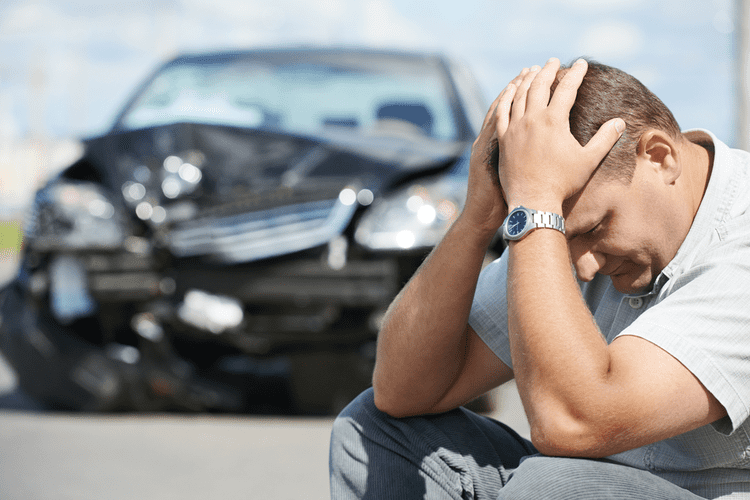
Each person has unique factors that determine which medicines will benefit them the most. Dr. Zia is a double board-certified Adult and Child & Adolescent Psychiatrist with 10 years of experience in diagnosing and treating common psychiatric conditions including Depression, Anxiety, PTSD, Bipolar Disorder, and Psychosis. Additionally, incorporating stress-reduction techniques such as mindfulness, exercise, and relaxation exercises can help alleviate anxiety symptoms. Building a strong support network of friends, family, or peers who understand the challenges of sobriety can provide invaluable encouragement and accountability on the journey toward mental and emotional well-being. Developing coping strategies and seeking support are essential steps in managing anxiety during this transition. Engaging in therapy, whether individual or group-based, can provide valuable tools for addressing underlying triggers and learning healthy coping mechanisms.
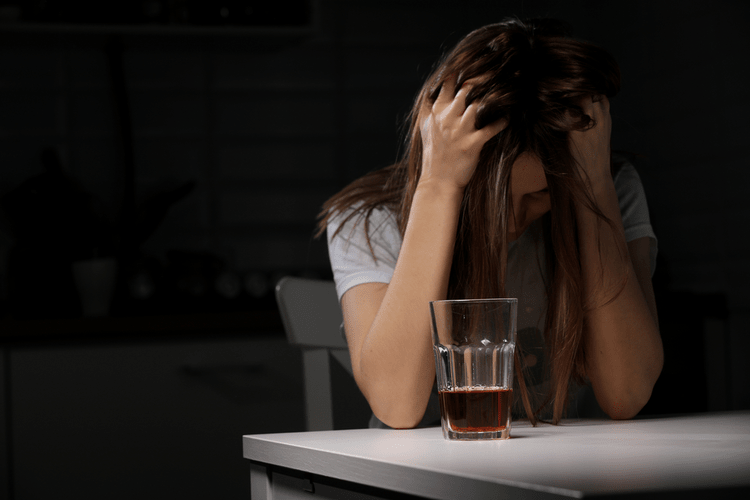
It’s important to note that treatment should be tailored to the individual, as the relationship between alcohol and depression or anxiety can vary from person to person. Caffeine makes you feel more awake, which can hide how sleepy alcohol makes you. One review emphasized that caffeine often makes you feel more uneasy and scared, especially if you are sensitive to it. In extreme cases, it can cause dizziness, muscle twitching, and restless movements, which make feelings of anxiety or fear worse. About 75% of people drink coffee at least once a week, and 67% have it every day.
Long-Term Effects of Alcohol
Caution also is suggested with the use of MAO-Is and TCAs for comorbid individuals. These beverages include certain beers (e.g., imported beers, beer on tap, what is alcoholism and nonalcoholic or reduced-alcohol beers), red wines, sherry, liqueurs, and vermouth, which is critical to know when treating people who also have alcohol problems. TCAs also should be used with caution among people with co-occurring AUDs and be prescribed only after other treatments have been ruled out because these medications can have an enhanced adverse-effect profile in this population.