Votre panier est vide.

The Future of Transactions Understanding web3 payment 2
The Evolution of Transactions: Delving into web3 payment
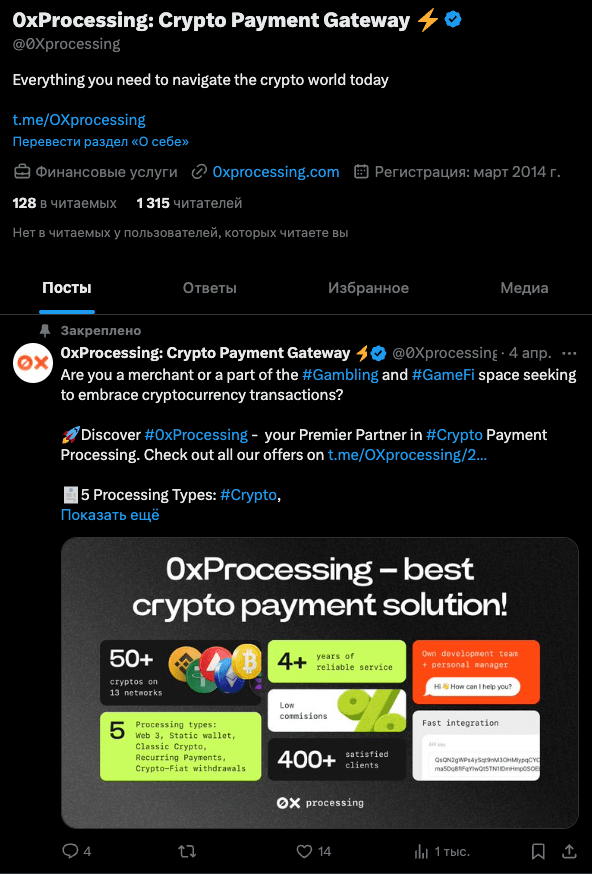
The world of finance is undergoing a radical transformation, driven by the emergence of decentralized technologies and blockchain. At the forefront of this change is web3 payment, an innovative approach that promises to reshape how transactions are conducted online. With the rise of cryptocurrency and decentralized finance (DeFi), businesses are beginning to explore the benefits and use cases of web3 payment systems in their operations. To learn more about integrating web3 payments into your business model, you can check out web3 payment https://0xprocessing.com/payments-for-business/web3-payment-gateway/.
Understanding web3 and Its Implications for Payments
To fully grasp the concept of web3 payment, it’s essential to understand the broader context of web3 itself. Web3 refers to the next stage of the internet, characterized by decentralized platforms, user-owned data, and a shift away from traditional centralized authorities. Unlike web2, which relies heavily on intermediaries such as banks and tech giants, web3 seeks to empower users by enabling peer-to-peer interactions.
In the realm of payments, this shift has profound implications. Traditional payment systems are often slow, costly, and laden with intermediaries that can introduce friction and reduce efficiency. Web3 payment solutions, powered by smart contracts and blockchain technology, aim to streamline this process, offering real-time, secure transactions without the need for intermediaries.
The Key Features of web3 Payment Systems
The adoption of web3 payment systems brings several key features that distinguish them from traditional payment solutions:
- Decentralization: Transactions occur directly between users without the involvement of central authorities, enhancing trust and security.
- Lower Fees: By eliminating intermediaries, web3 payments can significantly reduce transaction fees, making it more cost-effective for businesses and consumers alike.
- Global Accessibility: Web3 payment platforms can facilitate transactions across borders, allowing for a truly global marketplace.
- Enhanced Privacy: Users maintain control over their data, with the ability to choose how and when to share personal information.
- Smart Contracts: Automated contracts that execute transactions based on predefined conditions, ensuring transparency and reducing disputes.
Use Cases for Web3 Payment Solutions
Web3 payment systems find applications across various industries, transforming how businesses operate and how consumers interact with the digital economy. Here are a few notable use cases:
E-commerce
Online retailers can leverage web3 payment solutions to accept cryptocurrency, offering customers more payment options and reducing transaction costs. Additionally, the integration of smart contracts allows for automated order fulfillment and payment release, enhancing customer experience.
Gaming
The gaming industry is increasingly adopting web3 payment systems, enabling users to buy virtual goods and in-game assets using cryptocurrencies. This not only provides gamers with more ownership over their purchases but also fosters new economic models within gaming ecosystems.
Remittances
Web3 payment solutions are ideal for remittances, allowing individuals to send money across borders quickly and affordably. With lower fees and quicker settlement times, these systems can significantly improve the remittance experience for users.
Charity and Donations
Charitable organizations can benefit from web3 payments by accepting cryptocurrency donations, potentially reaching a wider audience. The transparency of blockchain technology helps build trust with donors, as they can track how their contributions are utilized.
Challenges and Considerations
While the potential of web3 payment systems is promising, several challenges must be addressed to ensure their widespread adoption:
Regulatory Uncertainty
The regulatory landscape surrounding cryptocurrencies and decentralized finance is still evolving. Businesses seeking to adopt web3 payment solutions must navigate compliance requirements, which can vary significantly by jurisdiction.
Scalability
Many blockchain networks face challenges in scaling to accommodate a massive user base. Ensuring that web3 payment systems can handle high transaction volumes without compromising speed and security is crucial for their success.
User Adoption
For web3 payment solutions to thrive, they must be user-friendly and accessible. Many consumers are still unfamiliar with cryptocurrencies and blockchain technology, so educational efforts are needed to encourage adoption.
The Future of Web3 Payments
As more businesses and consumers recognize the benefits of web3 payments, the future of this payment model looks bright. Key players in the fintech space are investing in research and development to create innovative solutions that overcome existing challenges.
Furthermore, advancements in technology and regulatory clarity will pave the way for a more seamless integration of web3 payments into everyday life. From retail transactions to micro-payments and decentralized marketplaces, the potential applications are vast and varied.
Conclusion
In conclusion, web3 payment systems represent a significant evolution in how we conduct transactions. By harnessing the power of decentralization, these solutions can create a more efficient, transparent, and user-centric payment landscape. As we continue to embrace the web3 paradigm, businesses that adapt to these changes will be better positioned for success in the digital economy.